Wednesday, 25 January 2012

Tackling... a dying art?


Over the past few seasons tackling has become an extinct art in the Premier League as every week player’s walk on eggshells with the worry of a sending off.

That last-ditch game saving tackle or block could now result in a dismissal as some of the game’s biggest stars are beginning to fall foul of some ludicrous refereeing decisions.  

The Premier League’s most combative players have come under severe pressure from referees as tough tackling begins to take a back seat in modern football.

Part of the problem appears to be the lack of cohesion between referees and their understanding of new guidelines and rules, particularly on two-footed challenges.

There is always shroud of doubt in their minds when a player commits to a two-footed tackle and this confusion has seen some seemingly fair challenges receive a red card.

These poor decisions have played havoc in some of the biggest games this season and have put a huge dampener on some fantastic spectacles by becoming the main talking points of several games.

Vincent Kompany and Jay Spearing are just two to name that have been victims of this, as tackles that would have been applauded seasons ago have given them their marching orders.   

This uncertainty has become a real worry for some of the EPL’s top players as Bolton’s tough tackling midfielder Nigel Reo-Coker said: “I can’t take that mentality when you don’t know what you can go in for and (what you) can’t. If I feel I can win a tackle, I’ll go for it. I can’t change.

“But who knows? Even the powers that be themselves don’t really know the true rules about tackling.

“Everyone can have such long discussions on what tackle is deemed as fair and what tackle is dangerous. I don’t really think there are clear enough guidelines to know how you can tackle in the modern game.”

It is clearly evident that even the top professionals are unclear about the rules so there really is no surprise that we are witnessing a sharp decline in tackling.

One of the biggest dilemmas facing the art is the accelerating growth of playacting in the modern game.

Player’s dramatic over reactions to distinctly fair challenges is appalling and fears grow as we see it more and more in the modern era.

It has tarnished the Premier League’s identity of possessing a tenacious style of play that is unlike any other league in the World.

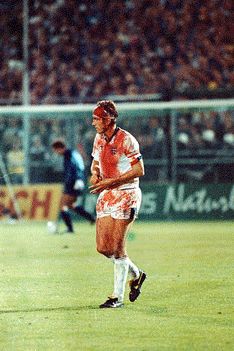
Bobby Moore’s iconic challenge on Jairzinho in 1970 and Terry Butcher’s blood-splattered, bandaged forehead in 1989 are clear depictions of English football’s true grit and determination that has allowed it demand a global fan base into the millions.  

Spanish football is optimised by stylish and quick interchangeable passing relying on clever movement, Italian football is very technical and astute with some of the fittest professionals around but English football has since lost its robust identity.

The globalisation of the English game has sanded down the rough edges of a proper challenge and the powers that be will certainly need to take the issue seriously before we see the complete extinction of a tough tackle.

Tackling will one day become an archaic art!

Wednesday, 11 January 2012

The Pressures of Professional Football

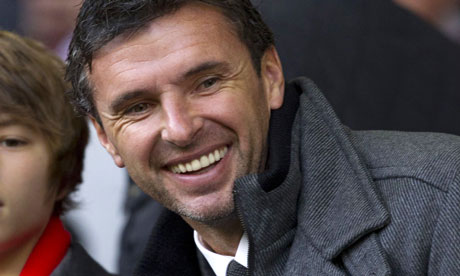
Rare is it that football is entirely united but in mourning the tragic passing of Gary Speed there is a universal sense of both disbelief and sadness.

Tributes has poured in from all areas of sport following his shocking suicide last week but at just 42, Speed is not the only football player to be taken away so young.

There has been a staggering trend of footballers that have committed suicide across the globe as an estimated 40 players have taken their own lives and this leads us to question just how big are the pressures of the beautiful game and is there enough support out there?

Just two years ago German International goalkeeper Robert Enke took his own life following a six-year battle with depression. His heartbreaking passing has clearly enlightened German football about the psychological pressures of elite sportsman more than any other league in the world and its time the EPL followed suit.  

Premier League youngster Jay Spearing said: “The psychological pressures that come with football can be huge. When you take into consideration your personal life as well it can be very difficult and I don’t think there is enough support out there to help footballers.”

In Germany they have tackled the problem head on as an array of sports psychiatrists are now available to the Bundesliga; a job that didn’t even exist until Enke’s untimely death. It works separately to the clubs to help those who are afraid of expressing their problems and the German FA have worked incredibly hard to alleviate the pressure of the media on footballers who appear to be experiencing a difficult time.

Since the Wales coach’s harrowing death at least ten footballers have called into a clinic to try and deal with the problems they are experiencing. English football has to buckle this horrendous trend, as in spite of the rich rewards football may not be the dream job for all.

The Players Football Association has also been called into action sending just over 4000 players depression advice.

PFA Chief Executive Gordon Taylor took the swift action following the loss of ‘one of football’s finest’.

Taylor said: “If nothing else I hope this tragedy can encourage people who need help to not hesitate to ask for it.

“I want them to know there is a support system in place to understand their concerns and address them.”

Meanwhile, Speed is set to be remembered by a number of grounds in England as Newcastle United have confirmed that their match day programme will carry the picture of the great man on its front cover.

Factfile-
On September 8th 1969 Gary Speed was born in Mancot, Flintshire. Just 19 years later he signed his first professional contract with Leeds making his debut at the tender age of 19. In 2006 he became the first player to make 500 premier league appearances, just one of his many achievements. Sadly 2008 marked the end of Speed’s career as a player totalling a mammoth 677 EPL appearances. In 2011 he takes charge of the Welsh national team for the first time in a 3-0 defeat to the Republic of Ireland. November 27th and the Welsh FA confirm his death.